WHO SAID THE FEET HAVE TO BE THE ANCHOR?
Why “Ground-Up” Is Not A Universal Pitching Blueprint

Last Week, I Asked A Question That I Think Baseball Needs To Spend More Time With:
Do We Actually Know The Player We Think We Know?
I Wasn’t Questioning The Value Of Observation.
I Was Questioning What We Assume From What We Observe.
Because What We See Is Not Automatically The Same As What Is Natural For The Athlete.
A Player Can Be Moving A Certain Way Because Of Training.
Because Of Coaching.
Because Of Adaptation.
Because Of Fatigue.
Because Of Previous Intervention.
Or Because He Is Operating In A Motor Organization That Is Not His Natural One.
That Was The Point Of The Player You See Isn’t Always The Player You Think You Know.
And That Leads To Another Question.
Do We Actually Know What The Feet Are Supposed To Do For The Pitcher In Front Of Us?
THE FEET HAVE BECOME THE ANCHOR
There Is A Pitching Concept That Has Become Almost Automatic:
Start From The Ground.
Use The Ground.
Create An Anchor.
Establish The Back Foot.
Build The Delivery From The Ground Up.
For A Certain Group Of Pitchers, That Makes Perfect Sense.
Their Lower Body Is Naturally Organized To Create An Anchor.
The Feet Can Establish The Relationship With The Ground.
The Athlete Can Organize Force Through That Relationship.
The Ground Becomes Something He Can Work Against.
For That Pitcher, Ground-Up Can Be Exactly The Right Strategy.
But There Is Another Group.
And This Is Where It Gets Interesting.
Their Lower Body Is Not Naturally Organized Around The Same Type Of Anchor.
Their Organization Is More Dynamic.
More Elastic.
More Rebound-Oriented.
Their Relationship With The Ground Is Different.
And If We Take That Athlete And Simply Tell Him To Become More Anchored, We May Be Asking His Body To Solve The Problem In A Way It Was Never Naturally Organized To Solve It.
That May Not Improve The Delivery.
It May Take Him Further Away From His Natural Organization.
And Over Time, It May Even Become A Potential Injury Creator.
That Is A Very Different Conversation From “Good Mechanics” Versus “Bad Mechanics.”
THE QUESTION IS NOT WHETHER THE PITCHER USES THE GROUND
Of Course He Does.
Every Pitcher Interacts With The Ground.
That Is Not The Interesting Question.
The Interesting Question Is:
HOW DOES THIS PITCHER NATURALLY ORGANIZE HIS RELATIONSHIP WITH THE GROUND?
That Is A Much Better Starting Point.
Because One Pitcher May Need The Ground To Act As An Anchor.
Another May Need A More Elastic Relationship With It.
One May Organize Force Through A Stable Base.
Another May Need To Load, Rebound And Get Off The Ground.
One May Naturally Create A Ground-Up Solution.
Another May Have A Lower Body That Is Better Suited To Responding To An Organization That Is Happening Elsewhere In The System.
Same Mound.
Same Baseball.
Same Task.
Different Athlete.
And Therefore:
Potentially Different Solution.
THIS IS WHERE “GROUND-UP” CAN BECOME A PROBLEM
Ground-Up Is A Strategy.
It Is Not A Law Of Human Movement.
That Distinction Matters.
Because Once A Strategy Works For One Group Of Athletes, It Is Very Easy To Turn It Into A universal rule.
We See A Pitcher Create Power From The Ground.
So We Teach Ground Force.
We See A Stable Back Foot.
So We Teach Stability.
We See A Strong Relationship With The Rubber.
So We Tell Everyone To Maintain That Relationship Longer.
The Athlete Starts To Look More Like The Model.
And We Assume We Have Improved Him.
But There Is Another Question We Should Ask:
Did We Improve His Natural Organization — Or Did We Improve His Ability To Adapt To Our Model?
Those Are Not The Same Thing.
THE FEET ARE VISIBLE.
THAT DOESN’T MAKE THEM THE SOURCE.
This Is Where The Connection To Last Week’s Article Becomes Important.
We Can See The Feet.
We Can See The Back Leg.
We Can See The Knee.
We Can See The Hips.
We Can See The Trunk.
We Can See The Arm.
We Can Measure All Of It.
But Seeing A Movement Does Not Automatically Tell Us WHY That Athlete Is Organizing Himself That Way.
A Pitcher Can Have A Stable Back Foot Because That Is His Natural Solution.
Another Pitcher Can Have A Stable Back Foot Because He Has Been Coached To Keep It There.
The External Picture Can Look Similar.
The Underlying Organization Can Be Completely Different.
And That Is Exactly Why The Feet Should Not Automatically Become The Starting Point Of The Coaching Conversation.
THE SAME FOOT POSITION DOES NOT MEAN THE SAME ORGANIZATION
This Is An Important Distinction.
A Coach Can Look At Two Pitchers And See Similar Lower-Body Positions.
One May Be Anchoring.
The Other May Simply Be Passing Through The Same Position On The Way To Something Else.
One May Be Using The Ground As A Reference.
The Other May Be Rebounding From It.
One May Be Organizing Force Through The Ground.
The Other May Be Using The Ground As Part Of A Rapid Elastic Exchange.
The Picture Can Be Similar.
The Organization Doesn’t Have To Be.
And If We Only Coach The Picture, We Can Miss The Athlete.
THAT IS ALSO WHERE THE INJURY QUESTION BECOMES IMPORTANT
This Is Not:
Anchor = Injury.
That Would Be Another One-Size-Fits-All Rule.
The Issue Is The Mismatch.
If An Athlete Is Naturally Organized To Use The Ground As An Anchor, Removing That Relationship Could Be A Poor Intervention.
But If An Athlete Is Naturally Organized Around Rebound And Elasticity, Continuously Asking Him To Stay Anchored, Stay Connected And Create More Force Through A Prolonged Ground Relationship May Also Be A Poor Intervention.
The Body Still Has To Solve The Problem.
It Still Has To Produce Force.
It Still Has To Transfer Energy.
It Still Has To Decelerate.
And If We Force That Athlete Into A Strategy That Does Not Match His Natural Organization, We May Simply Change Where The Cost Of The Strategy Is Paid.
That Cost Can Show Up In Performance.
It Can Show Up In Efficiency.
And Potentially, Over Time, It Can Show Up As Injury.
That Is Why The Question Of How A Pitcher Uses The Ground Is Not Just A Mechanical Conversation.
It Is A Player-Development Conversation.
THE STORY IS BIGGER THAN THE FEET
I Think This Is Where Baseball Sometimes Gets Trapped.
We See A Movement.
We Label It.
We Decide What “Good” Looks Like.
Then We Try To reproduce It.
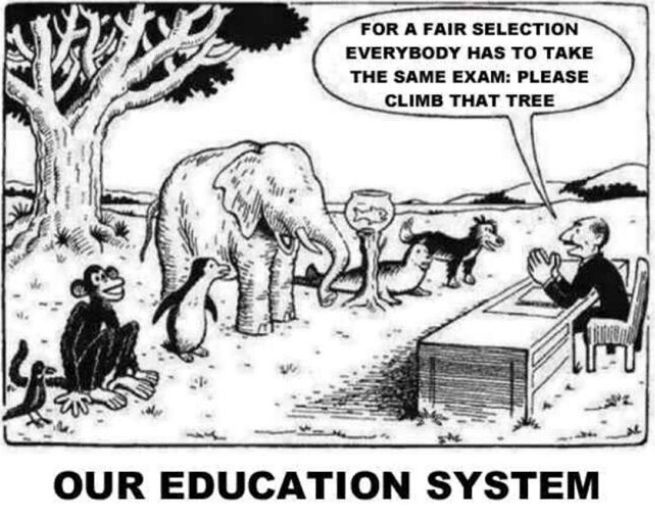
But The Athlete Is Not A Blank Canvas.
He Already Has An Organization.
He Already Has A Way Of Solving Movement Problems.
He Already Has A Relationship With The Ground.
He Already Has A Motor Signature.
Our Job Should Not Automatically Be To Replace That Organization With Ours.
Our Job Should Be To Understand It.
Then Develop It.
That Is A Very Different Philosophy.
THIS IS NOT AN ARGUMENT AGAINST BIOMECHANICS
Biomechanics Can Tell Us A Lot.
Force Plates Can Tell Us What Is Happening With Ground-Reaction Forces.
Motion Capture Can Tell Us How Segments Are Moving.
Kinematic Analysis Can Show Timing And Position.
Strength And Mobility Testing Can Tell Us What The Athlete Can Access And Produce.
Pitch Data Can Tell Us What The Ball Is Doing.
All Of That Information Matters.
But There Is A Question Behind The Information:
IS WHAT WE ARE MEASURING THE ATHLETE’S NATURAL ORGANIZATION — OR THE ATHLETE’S ADAPTATION TO WHAT WE HAVE ASKED HIM TO DO?
That Question Is Critical.
Because We Can Build An Extremely Detailed Profile Of What A Pitcher Is Currently Doing…
And Still Misunderstand The Player.
That Was The Point Of Last Week’s Article.
And It Is The Same Problem Here.
IF YOU PROFILE THE WRONG ORGANIZATION, YOU CAN BUILD THE WRONG SOLUTION
This Is Where Individualized Development Can Become Ironically Non-Individualized.
You Test The Athlete.
You Analyze The Athlete.
You Identify A Mechanical Pattern.
You Build A Training Plan Around That Pattern.
You Individualize The Drills.
You Individualize The Strength Program.
You Individualize The Coaching Cues.
Everything Looks Personalized.
But If The Underlying Motor Organization Was Misunderstood…
You Have Simply Built A Highly Individualized Program For The Wrong Problem.
That Is The Danger.
SO WHAT SHOULD WE DO WITH THE FEET?
I Would Stop Asking:
“What Should The Feet Do?”
And Start Asking:
“What Role Should The Feet Play For This Athlete?”
Should They Anchor?
Should They Rebound?
Should They Establish The Ground Relationship?
Should They Respond To An Organization Happening Elsewhere?
Should The Athlete Build From The Ground?
Or Should The Ground Be Something He Interacts With Dynamically?
Those Questions Cannot Be Answered By A Generic Pitching Model.
They Have To Be Answered By Understanding The Individual.
THIS IS WHERE MOTOR SIGNATURE CHANGES THE CONVERSATION
Because Once We Understand The Athlete’s Motor Signature, The Feet Stop Being An Isolated Coaching Problem.
The Ground Becomes Part Of The Individual’s Organization.
The Lower Body Becomes Part Of The Individual’s Solution.
The Delivery Becomes Something We Can Understand Rather Than Simply Reconstruct.
And Suddenly, A Movement That Looked “Wrong” May Make More Sense.
A Back Foot That Doesn’t Look Like The Model May Be Doing Exactly What That Athlete Needs.
A Pitcher Who Doesn’t Look Like Another Pitcher May Not Need To.
He May Need To Look Like Himself.
THE BIGGER MISTAKE
The Mistake Is Not Teaching Ground-Up.
The Mistake Is Assuming That EVERY PITCHER SHOULD BE GROUND-UP IN THE SAME WAY.
The Mistake Is Not Using The Feet.
The Mistake Is Assuming That The Feet Have The Same Role For Every Athlete.
The Mistake Is Not Biomechanical Analysis.
The Mistake Is Assuming That A Biomechanical picture automatically tells us what the athlete should do.
And The Mistake Is Not Individualized Training.
The Mistake Is Individualizing The Intervention Before Understanding The Individual.
WHO SAID THE FEET HAVE TO BE THE ANCHOR?
Maybe They Do.
For Some Pitchers, They Absolutely Should.
Maybe The Ground Is The Foundation From Which Their Entire Delivery Is Organized.
But For Another Pitcher…
Maybe His Lower Body Is Not Made For That Strategy.
Maybe His Natural Solution Is Rebound.
Maybe His Strength Is Elasticity.
Maybe He Needs To Interact With The Ground Rather Than Stay Anchored To It.
Maybe His Feet Need To Respond Rather Than Control.
And Maybe The Thing We Are Trying To “Fix”…
Is Actually The Thing His Body Is Doing Right.
That Is Why The Question From Last Week Matters.
Do We Actually Know The Player We Think We Know?
Because Before We Decide How The Feet Should Work…
We Need To Know Who Is Standing On The Mound.
Before We Decide How He Should Use The Ground…
We Need To Understand How HE Naturally Organizes His Relationship With It.
And Before We Change His Delivery…
We Need To Know Whether We Are Improving His Solution…
Or Simply Making Him Better At Ours.
THE FEET ARE NOT THE BLUEPRINT.
THE ATHLETE IS.
And Maybe The Better Question Isn’t:
“How Do We Get Every Pitcher To Use The Ground Better?”
Maybe It Is:
“WHAT DOES THIS PITCHER NATURALLY NEED THE GROUND TO DO?”
That’s where individualized pitching should begin.